
A clear starting point for PHMAYON888
PHMAYON888 at phmayon888.ph brings together access information, account preparation and mobile guidance. The website is organised around common visitor needs: opening a published route, understanding a sign-in process, preparing for registration and checking a mobile download. You can begin with a specific task rather than searching through unrelated pages to find the next step.
The homepage places access routes near the beginning of the page so they are easy to find on a phone. Supporting information appears further down, with links to more detailed guides. This structure lets returning visitors reach familiar information quickly while giving new visitors enough context to review a destination before continuing.
This website provides information and navigation. It does not display an account login form, receive registration passwords or inspect private account records. Account actions take place at the destination service. Understanding that distinction helps you choose where to ask a question and avoid sharing information with a page that does not need it.
What you can find on this website
Each main guide addresses a different stage of access. The Login page covers sign-in preparation, account identifiers, verification and recovery considerations. The Register page explains how to review a form, check contact details and confirm the result of an account creation attempt. Both guides emphasise reading the actual destination's instructions rather than assuming every service follows an identical process.
The App page explains mobile browser access and the checks to make when a separate application download is offered. It distinguishes Android packages, iPhone access and browser shortcuts, and discusses permissions, updates and troubleshooting. A download link is shown only when a destination has been published; an App page alone does not establish software availability for every device.
The Support page groups connection, account and device symptoms into practical checks. It also explains what to include in a support request and what to remove from screenshots before sharing them. When you do not know which guide applies, begin by identifying the stage where the problem occurs: loading, signing in, verification or application use.
Understanding the access routes
Published route cards display destination domains and a Visit control. Their numbers identify the available choices; they are not speed ratings, uptime guarantees or evidence of an account's status. A route can behave differently across networks and devices, and availability may change. An unavailable slot means no usable destination is currently published there.
After following a route, inspect the final address before entering credentials. Redirects may change the domain shown by your browser. A familiar name, logo or colour palette does not independently identify the operator of the page you have reached. Read the address carefully and stop if a browser warning or an unexpected request appears.
If a published route fails, try another once where appropriate and record any error. Avoid inventing alternative domains or relying on an unsolicited message to supply a replacement. When the problem concerns loading, use connection checks. When it concerns an account decision, use the actual service's account assistance process instead.
A practical experience on your phone
The website uses a compact layout with readable text, clear buttons and task-based navigation. The same content is available on mobile and desktop screens. You do not need to install an application to read these pages, and the main written guidance remains available independently of the optional picture tutorial.
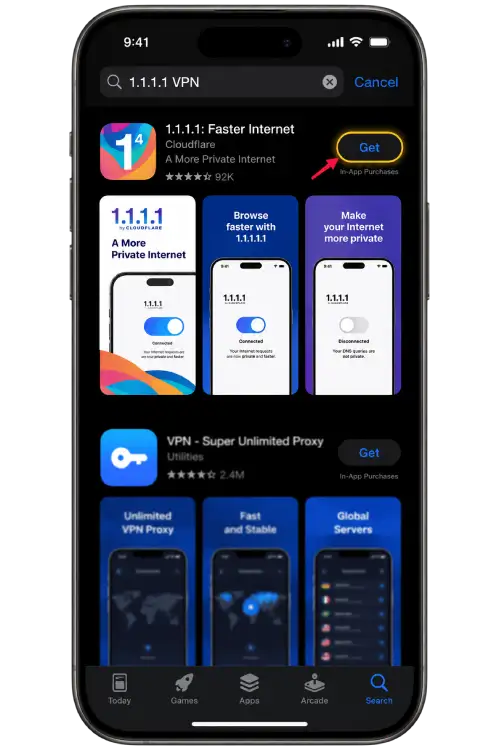
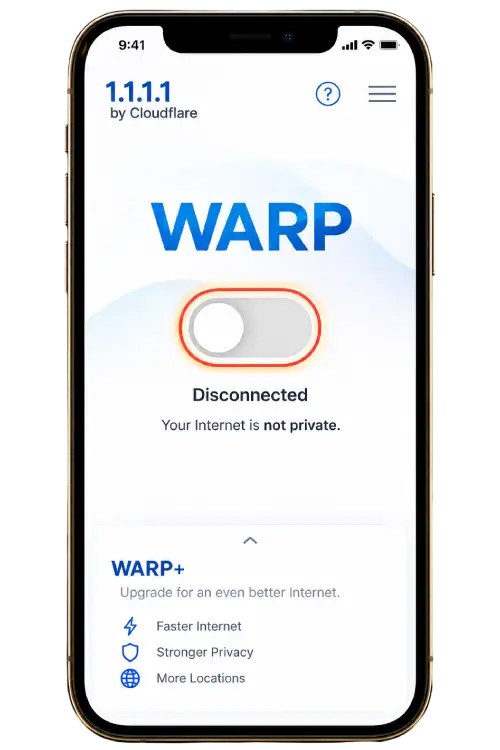
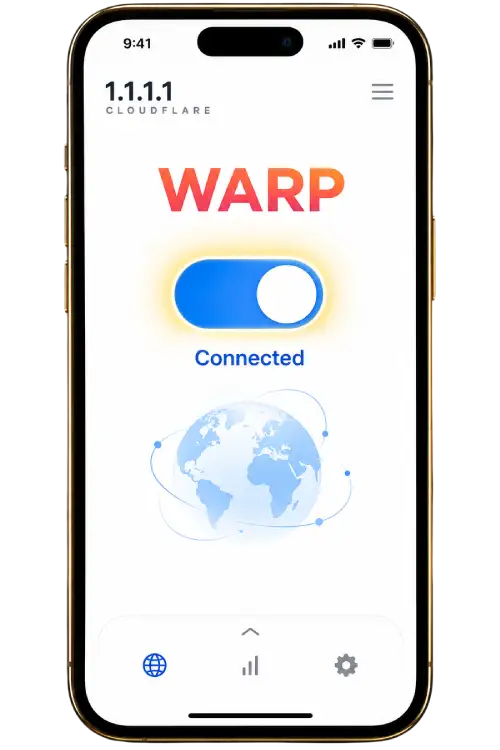
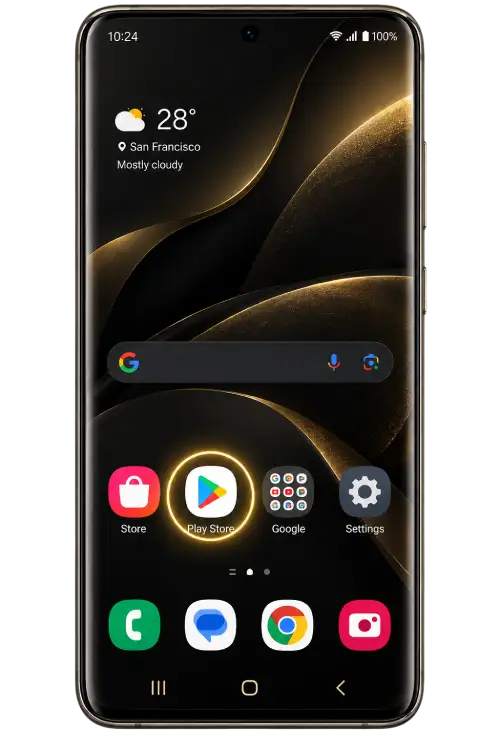
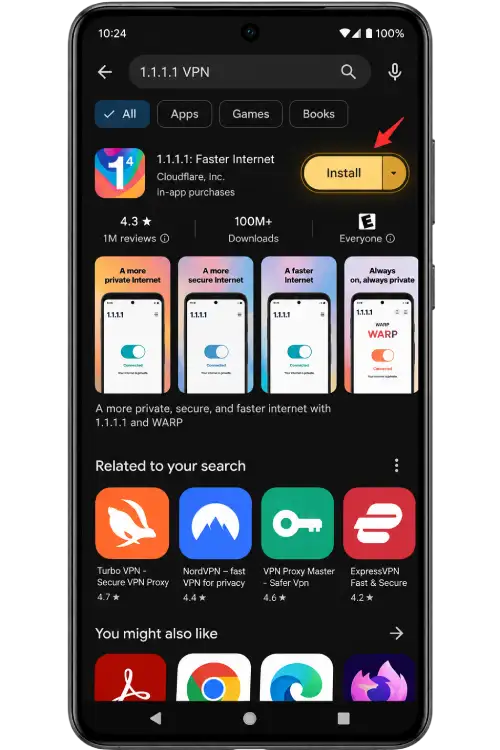
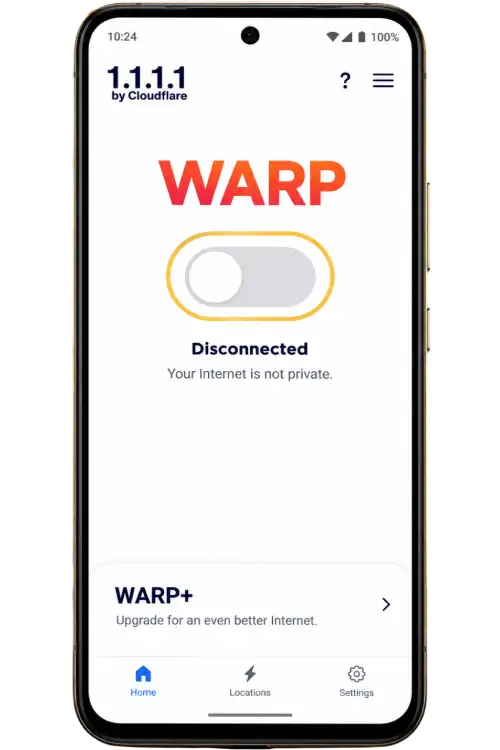
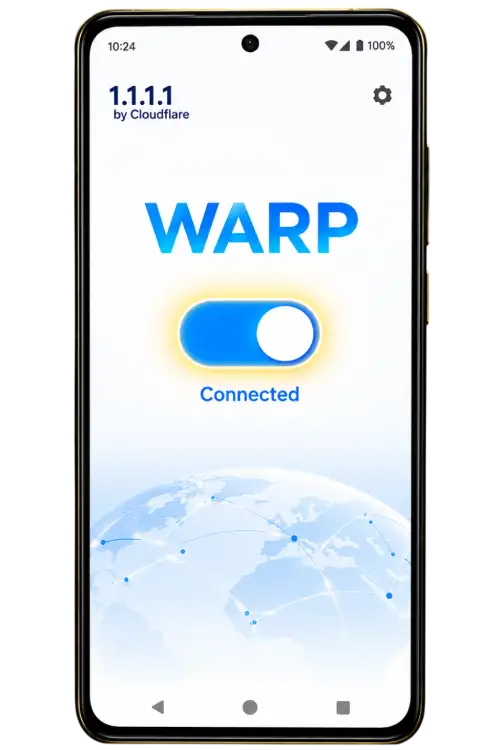
The VPN picture guide opens in a dialog with separate iPhone / iOS and Android tabs. It provides a visual companion to the connection instructions. Application screens and system prompts may change, so use the meaning of each step and review the publisher's current instructions when something differs. A VPN is optional and does not guarantee access or resolve account eligibility questions.
On a small screen, take time to inspect the complete destination address and dismiss the keyboard when reviewing a form result. Built-in browsers inside messaging applications may behave differently from your usual browser. If a process does not complete, compare the checked destination in a standalone browser before making several unrelated device changes.
Use the information in context
These guides explain common preparation and troubleshooting considerations. The actual destination controls its forms, account requirements, verification methods and application distribution. Where an instruction differs from an example here, read the destination's explanation carefully and seek clarification rather than forcing the example to match an unfamiliar process.
No general guide can determine a private account's status from a loading error alone. Likewise, a missing download button does not establish whether software is available through another channel. Distinguish what you can observe from what remains unknown. That approach helps avoid unnecessary password changes, repeated registrations or downloads from uncertain sources.
When following troubleshooting steps, change one condition at a time and record the result. This makes the guidance more useful and gives support a clearer account of the issue. A temporary improvement does not always establish a universal fix, especially when network conditions or a destination's availability may have changed independently.
Account and download awareness
Keep passwords, verification codes and recovery links private. Enter them only in the checked process you initiated. Do not post credentials in public comments, groups or support conversations. If you share an error screenshot, review the address bar and notifications as well as the main page, since private information can appear in any of those places.
Review application publishers, device requirements and permissions before installation. A filename or copied icon does not verify software. Stop when a device reports an unexplained security concern, and do not grant remote access merely to resolve an ordinary sign-in problem. Ask about unclear requests before changing settings that affect the rest of your device.
On shared devices, avoid saving credentials unintentionally and use the actual service's sign-out control when finished. Closing a tab or application may leave a session active. Maintain access to the contact method associated with your account so that recovery does not depend on another person forwarding private messages to you.
Published contact options
Available website contact channels appear below. Review the account or destination that opens before sending a message. A channel may lead to an external platform with its own privacy settings, group visibility and account requirements. Check whether your conversation is private or visible to other participants before sharing details.
Contact availability depends on the actual channel. This website does not promise a response period or continuous staffing. For account ownership, verification decisions or private records, follow the destination service's own assistance process. A website enquiry should not require you to disclose a password or one-time code.
Questions, feedback and corrections
When reporting a website problem, identify the page and the section involved. Explain what appeared, what you expected and which device or browser you were using. If a link leads to an unexpected destination, provide the public domain and approximate time without including private account tokens or recovery parameters.
For a content correction, quote the relevant heading and describe the information that needs review. Distinguish an outdated screenshot from a changed account rule or an unavailable route. Clear context makes it easier to assess the report without asking you to repeat the whole sequence.
Avoid sending sensitive documents to establish that ordinary website wording needs correction. A concise explanation and a redacted screenshot are often sufficient to describe a visible issue. If someone requests additional information, ask why it is needed and confirm the recipient before providing it.
Privacy and website terms
Read the Privacy Policy for information about this website's data handling and the Terms of Use for conditions governing its content and links. External destinations maintain their own policies, which should be reviewed where you enter account details or use a separate service.
Keep the scope of each website in mind when making a request. A question about a guide or published link concerns this website. A question about a private account, application approval or recovery decision concerns the service that controls that process. Choosing the relevant recipient helps protect your information and makes the request easier to understand.